There are places that have a haunting solemnity about them, a sacredness about them because of what has happened on their grounds. There are at least four places I have visited that have this haunting solemnity of the sacred occurs: Culloden Moor in Scotland, Gettysburg, Pennsylvania, Dachau concentration camp in Germany and Oradour sur Glane in France.
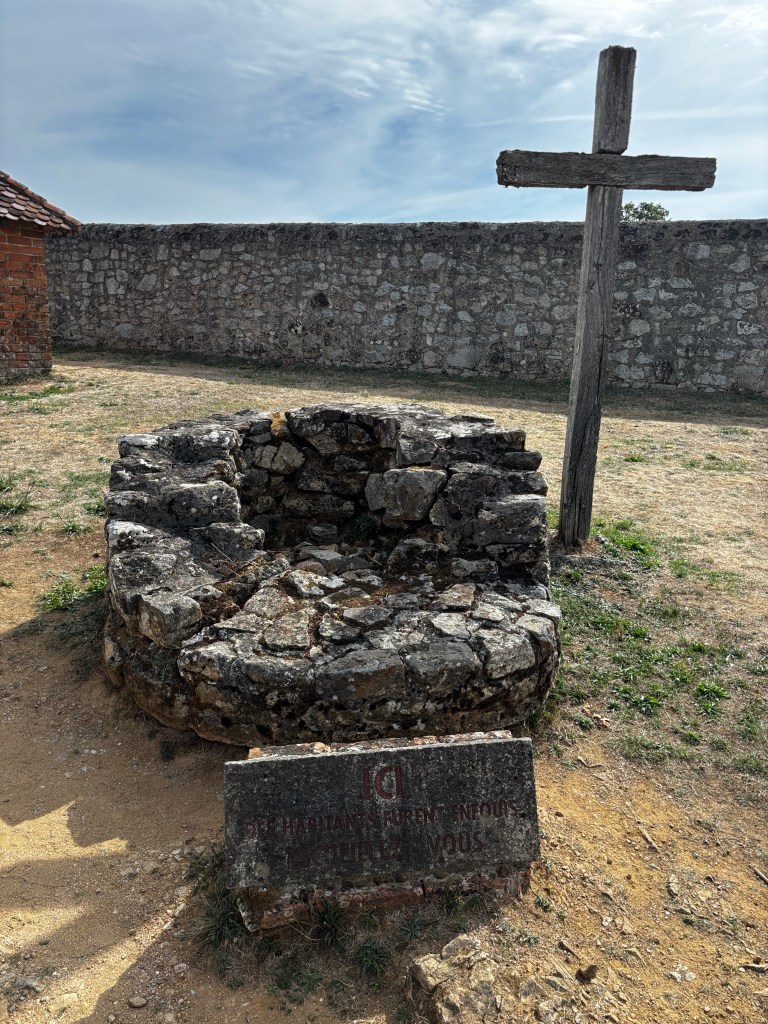
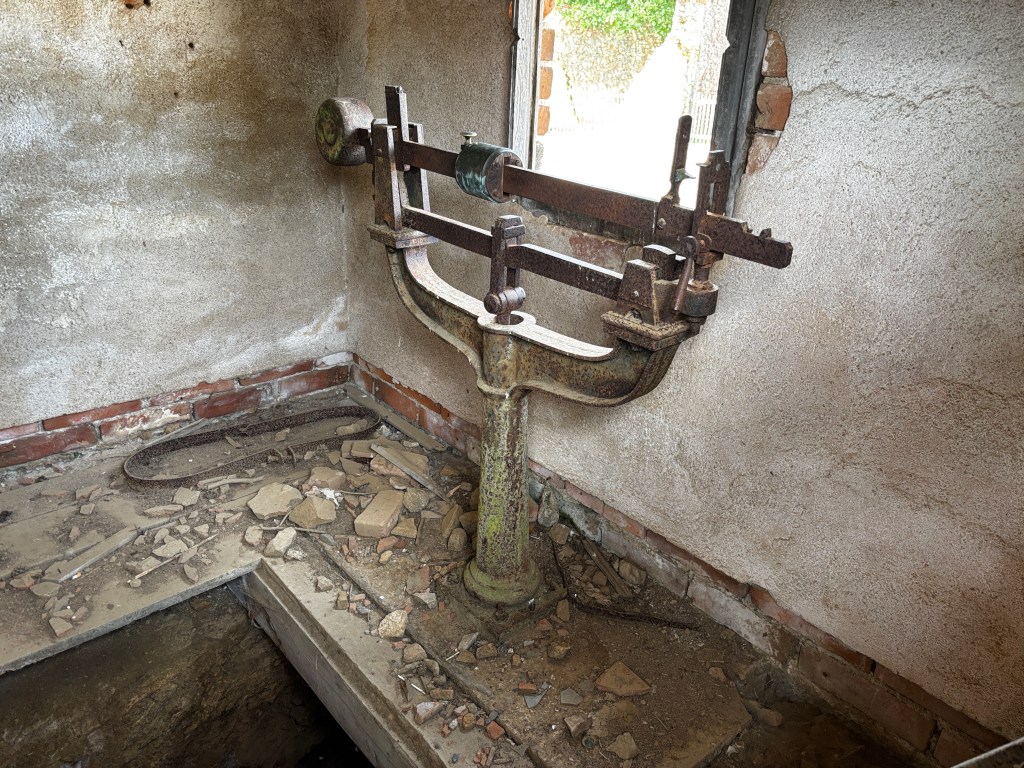
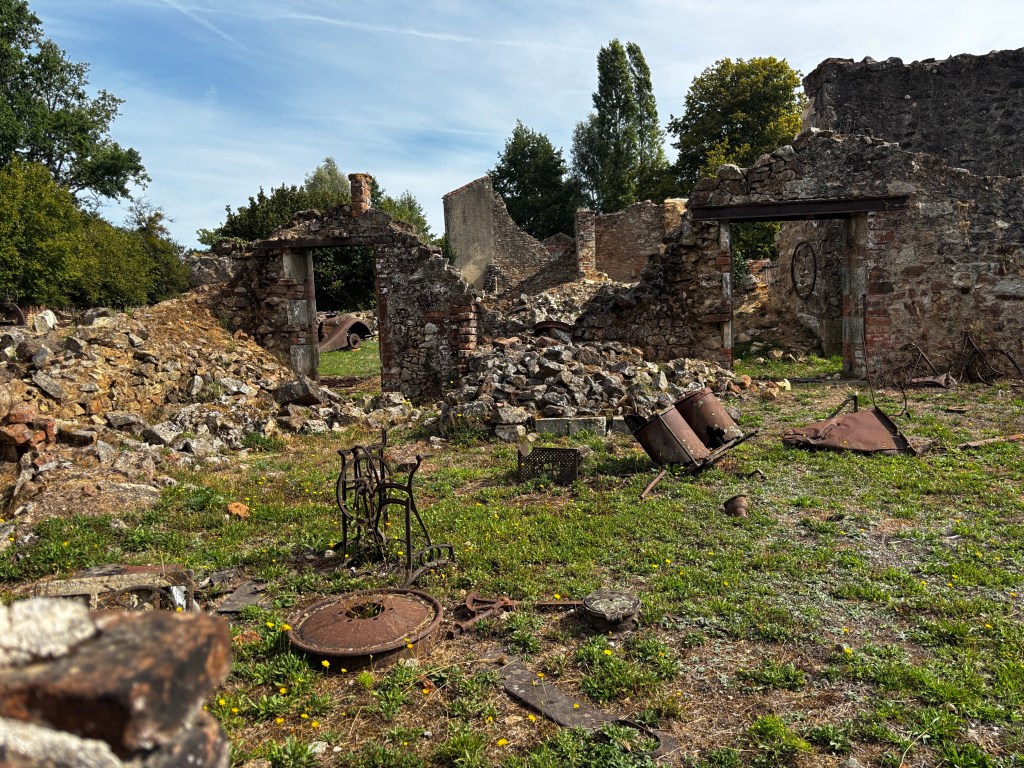
For me these places seem filled with the energy of lives cut short and the depravity of humankind; Filled with songs unsung, conversations silenced, and potential lost.
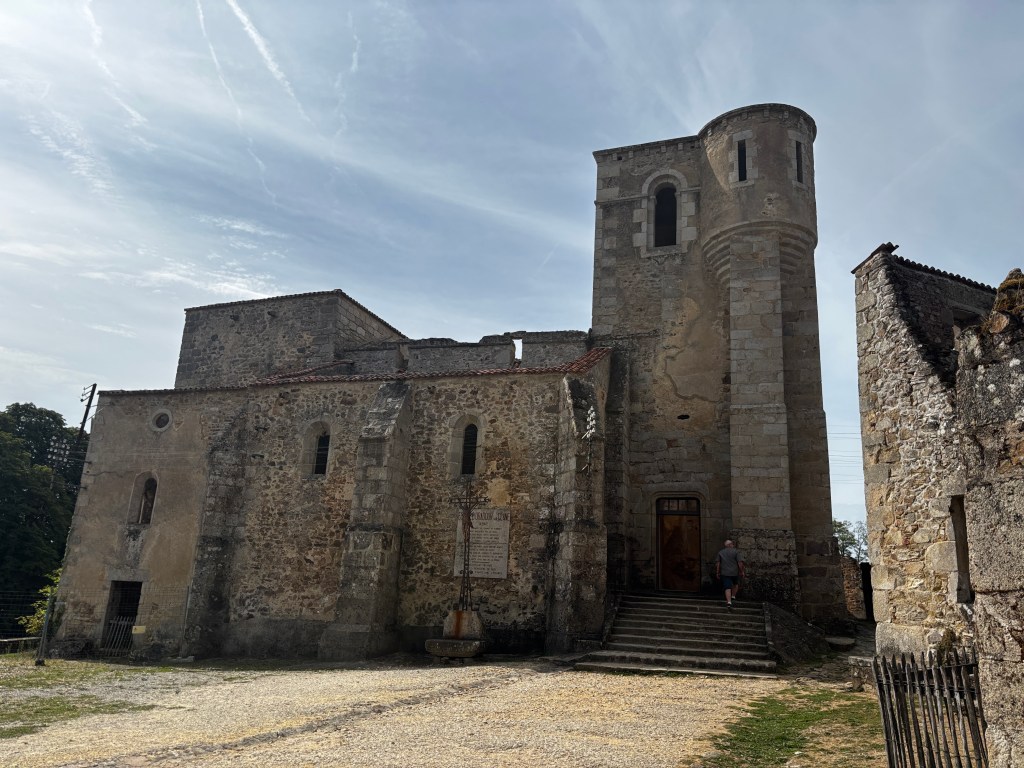
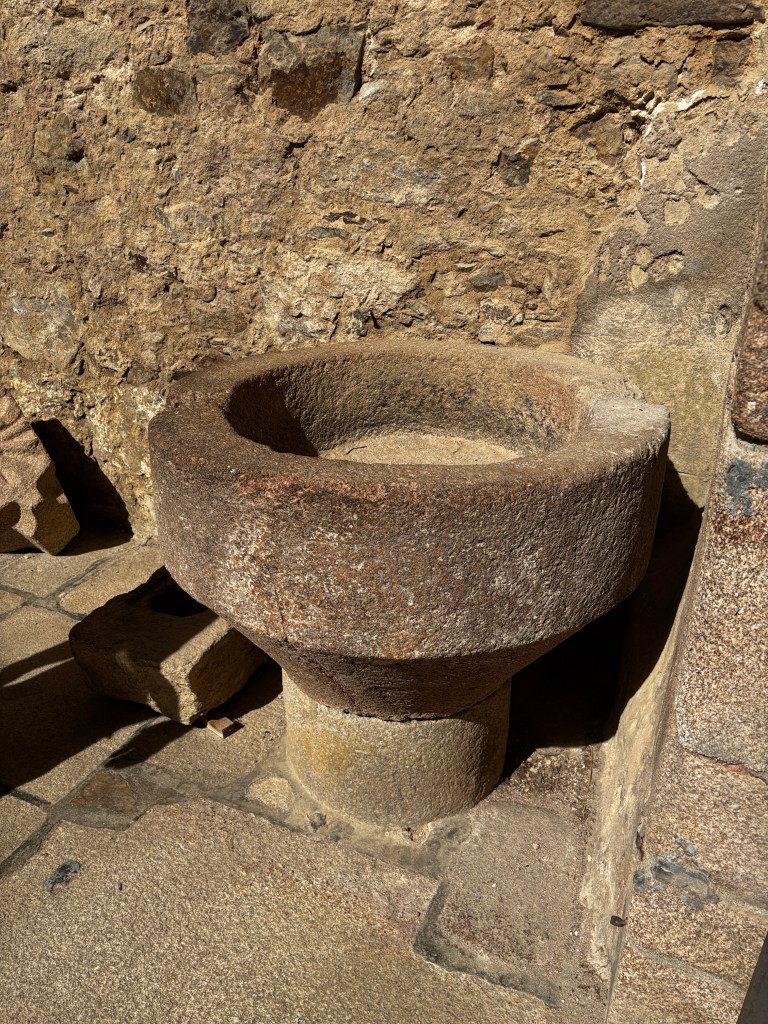
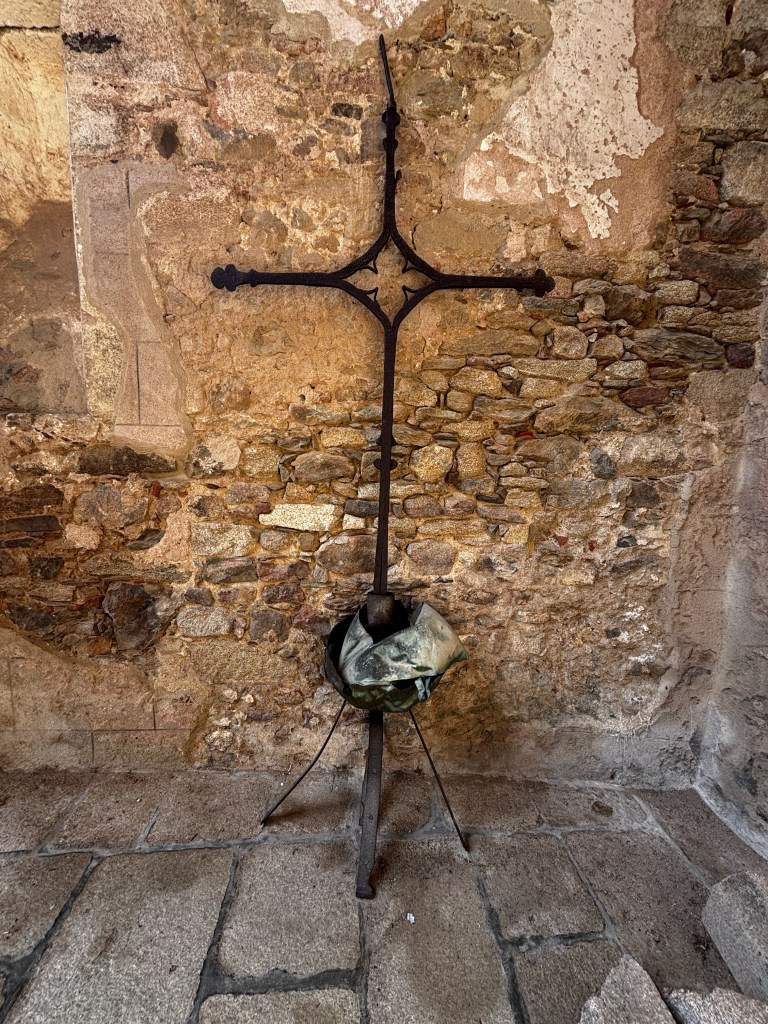
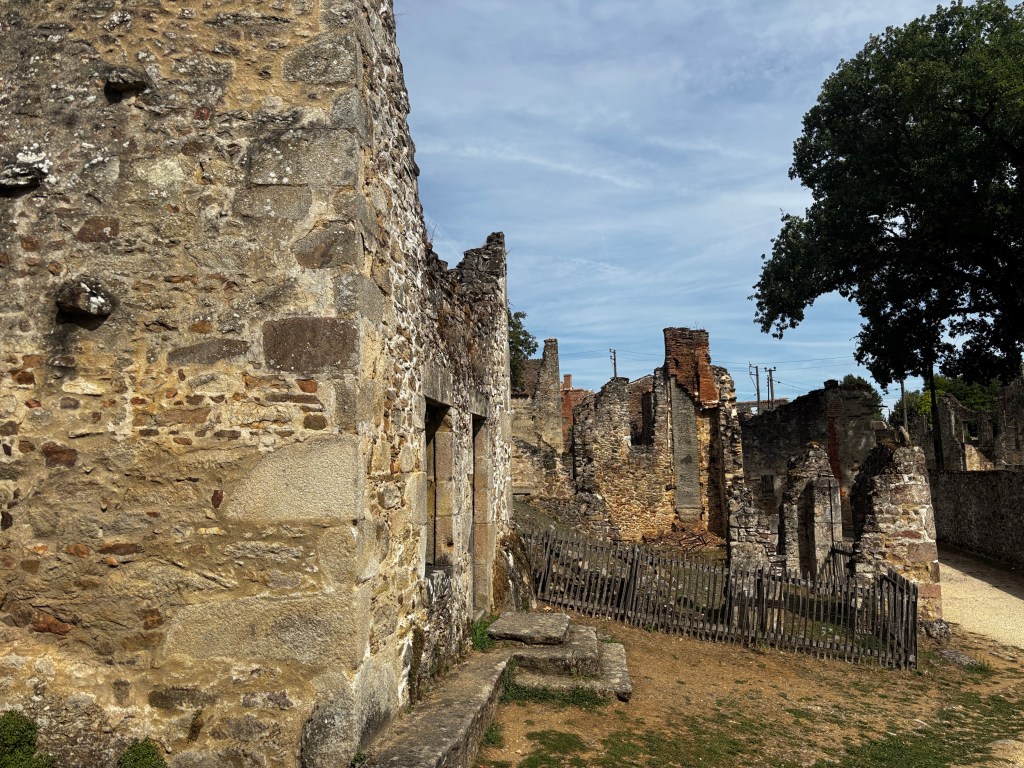
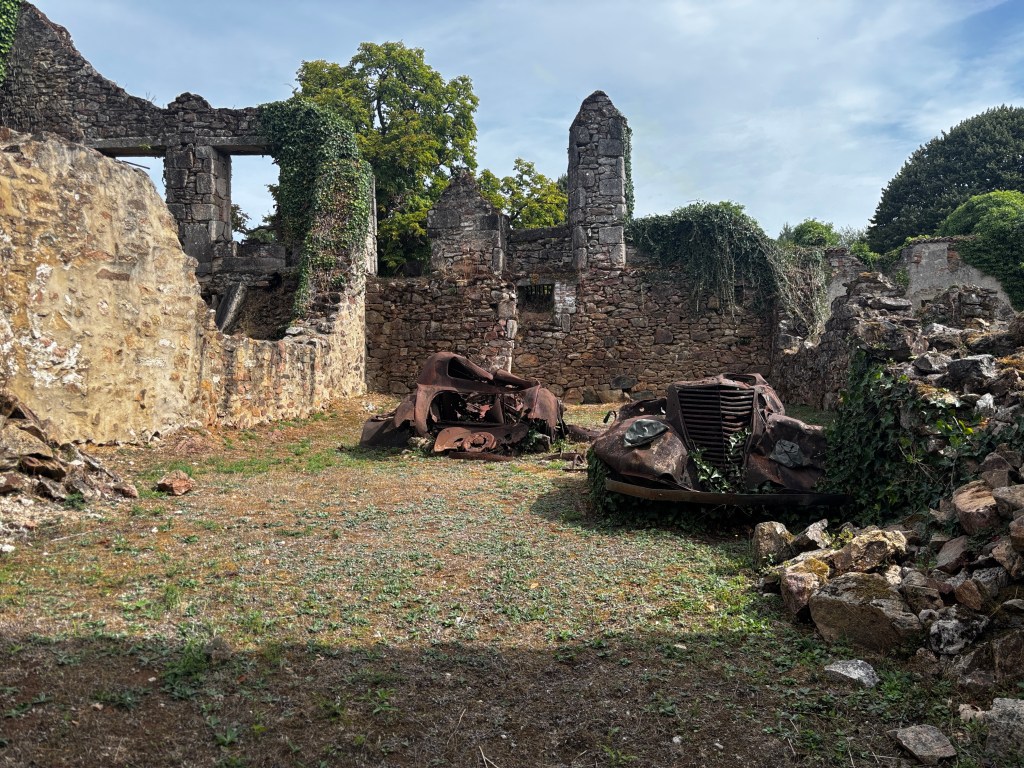
We walked through Oradour sur Glane with hundreds of other visitors silent, whispering comments as if not to disturb the now found peace of a community defiled. The signs of businesses abruptly shuttered and the signs telling us of where people had been shot and burned whispered to us of the horrors.
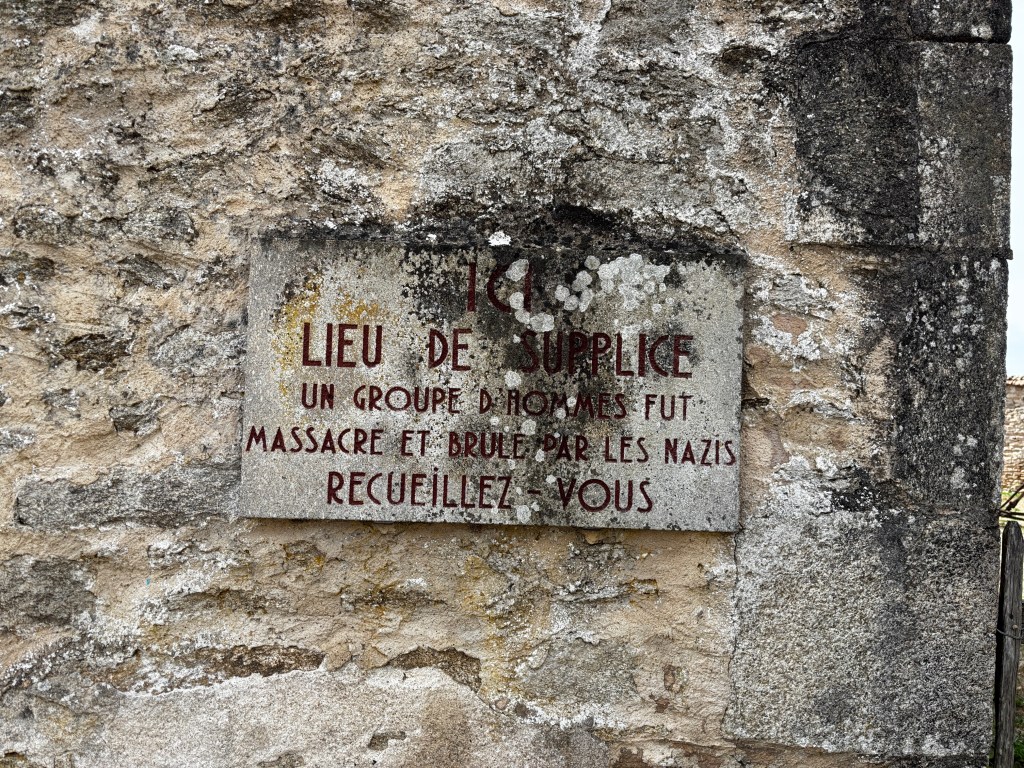
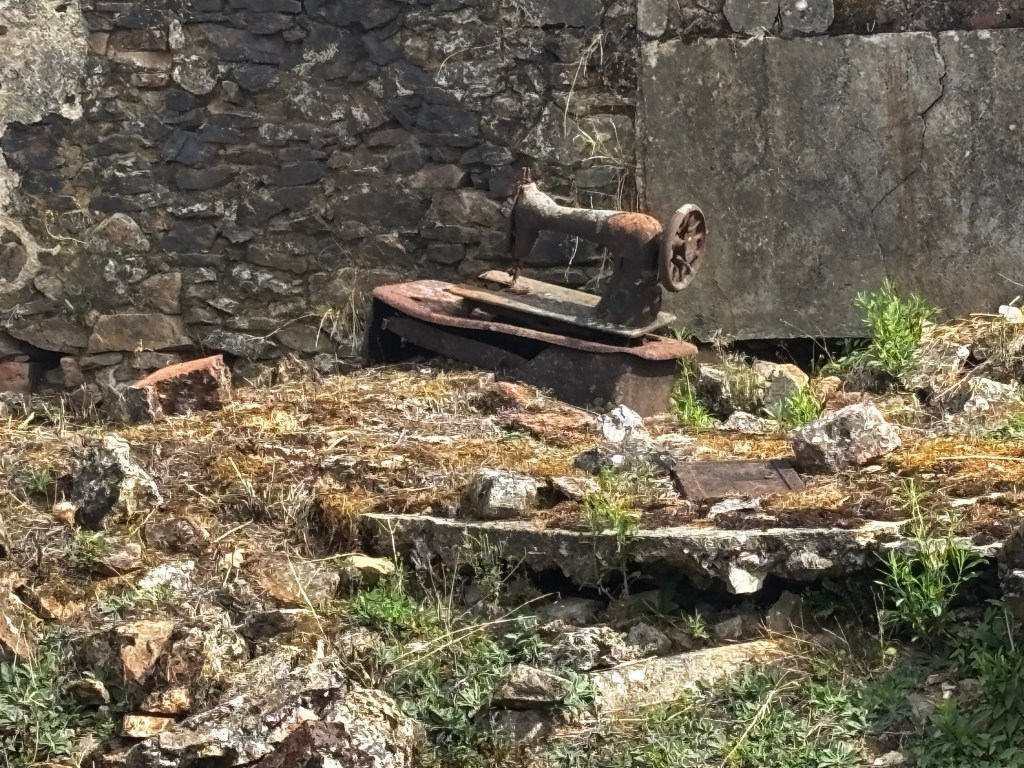
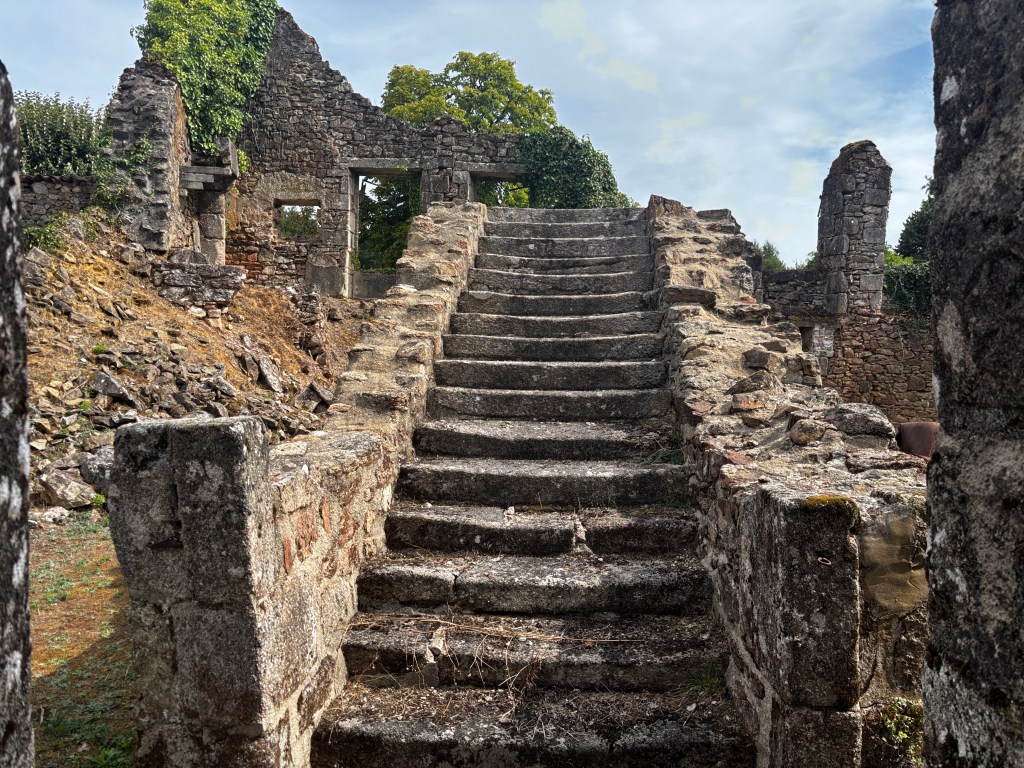
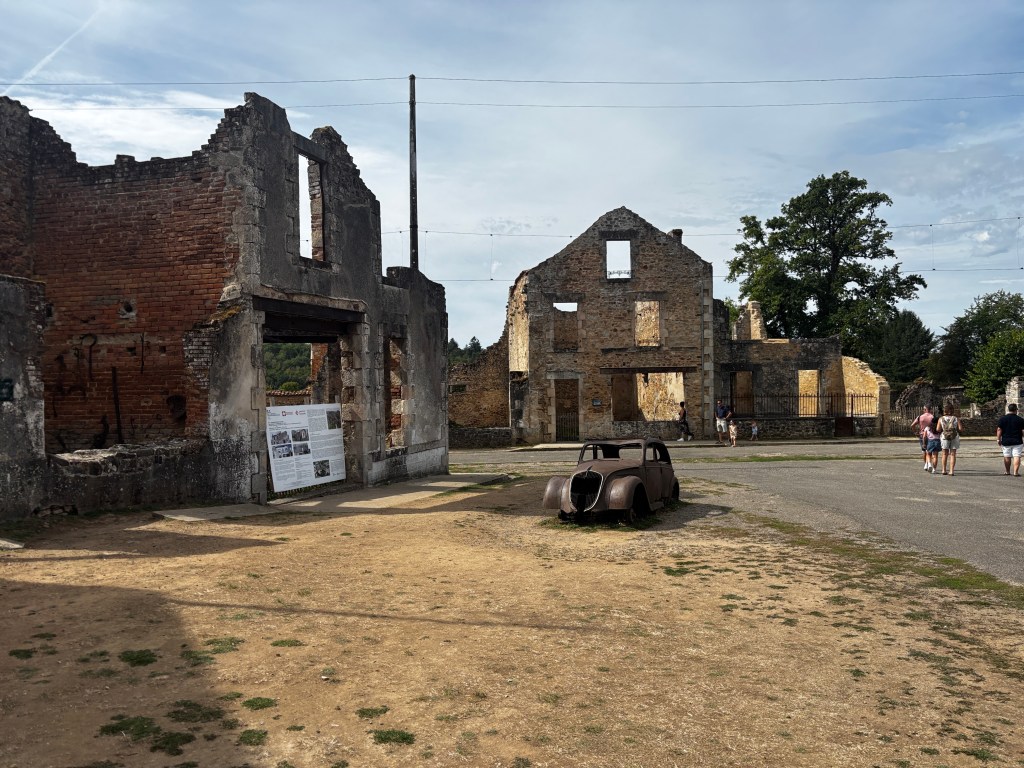
Though this was very hard I highly recommend if you are in the area because it reminds us of the horrors of war and hopefully encourages us not to repeat the past.
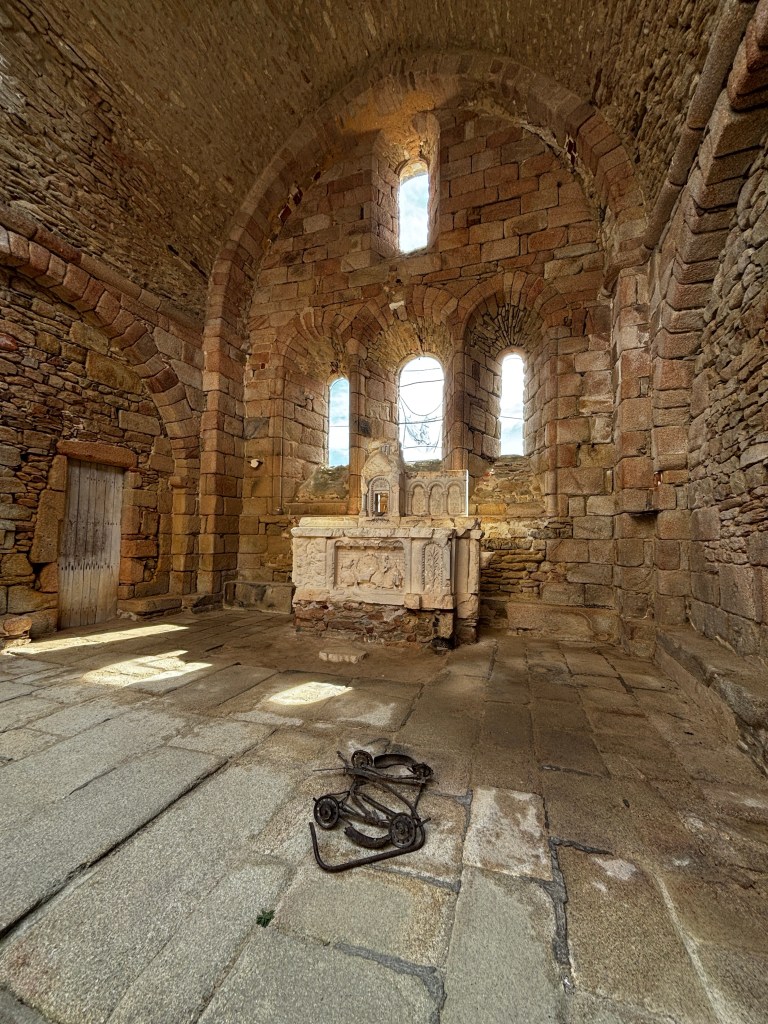
Here is the history of the small village in France. Six people survived this attack.
The martyr village of Oradour-sur-Glane
Oak – ruins of Oradour-sur-Glane, © Oradour-sur-Glane Memorial Centre
The story of the massacre
On June 10, 1944 , a unit of soldiers from the 2nd SS Panzer Division “Das Reich ” surrounded the village of Oradour-sur-Glane . Its 643 inhabitants—men, women, and children—were massacred by gunfire. This tragedy remains to this day a symbol of Nazi barbarity.
The total annihilation of the village of Oradour-sur-Glane and its population, the ruthless determination of the executioners, raised Oradour to the rank of “archetype of massacres of civilian populations” as early as 1944 .
A memorial site classified as a historical monument
On November 28, 1944, the Provisional Government decided to classify and preserve the ruins of Oradour, thus formalizing its national recognition. The martyred village then became a symbol of France, scarred by the German occupation. Simultaneously, the widespread dissemination of images of the ruins and the mourning reinforced the desire to make Oradour a testimony firmly rooted in collective memory. Gradually, the ruins were transformed into a place of remembrance, where visitors are invited to reflect on this tragic past. Classified as historical monuments in 1946 , the ruins of the martyred village attract 300,000 visitors each year .


